Hammerhead sharks are among the most fascinating species divers hope to see here. Instantly recognizable by their distinctive hammer shaped head, these powerful predators move gracefully through the open ocean and along the reef edges. Their unusual head, called a cephalofoil, gives them excellent vision and advanced sensory abilities, allowing them to detect prey hidden beneath the sand or in the water column.
At Protea Banks, divers most often encounter the Scalloped Hammerhead Shark and the Great Hammerhead Shark. Scalloped hammerheads are famous for forming schools that can sometimes number in the dozens or even hundreds, creating an incredible sight as they glide together through the blue water above the reef. Great hammerheads, on the other hand, are usually seen alone or in small groups, moving slowly and confidently through their territory.
Hammerhead sharks are easily recognized by their wide, flattened head, called a cephalofoil. This distinctive shape gives them important advantages when hunting and navigating in the ocean.
Their eyes are positioned at the ends of the head, giving hammerheads a very wide field of vision. This helps them detect prey and movement in the water around them. The cephalofoil is also packed with electroreceptors, which allow hammerheads to sense the electrical signals produced by animals hidden in the sand, such as stingrays.
Their bodies are streamlined and powerful, built for efficient swimming in open water. Long pectoral fins provide stability, while a strong tail gives them speed and control when chasing prey.
The scalloped hammerhead (Sphyrna lewini) can grow to about 3–4 meters in length, while the great hammerhead (Sphyrna mokarran) can exceed 6 meters, making it the largest hammerhead species. These adaptations make hammerhead sharks highly effective predators and one of the most fascinating shark species in the ocean.
Hammerhead sharks are active predators and play an important role in maintaining healthy ocean ecosystems. As apex predators, they help regulate populations of fish and other marine species.
Schooling: The scalloped hammerhead (Sphyrna lewini) is known for forming large schools, sometimes with more than 100 individuals, often near reefs and continental shelves. In contrast, the great hammerhead (Sphyrna mokarran) is usually solitary and more often seen cruising alone.
Feeding: Hammerheads feed on fish, squid, and especially stingrays. They use their wide head to pin prey to the seabed, making it easier to capture.
Migration: Hammerheads undertake seasonal migrations, and along the South African coast these movements bring them past reefs like Protea Banks, where divers may encounter them during certain times of the year.
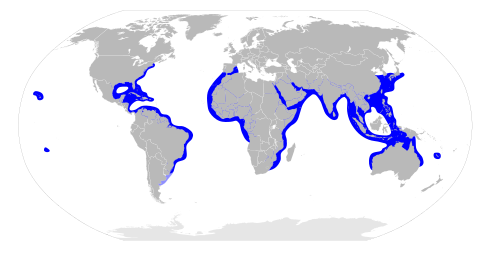
Hammerhead sharks inhabit warm temperate and tropical waters worldwide, including:
The Indian Ocean, especially off South Africa and Madagascar.
The Atlantic Ocean, from the US to Brazil and West Africa.
The Pacific Ocean, from Japan to Australia and along Central and South America.
At Protea Banks, hammerheads are mostly seen during seasonal migrations, particularly along reef edges and seamounts. Divers often spot scalloped hammerheads schooling in large numbers and great hammerheads cruising individually, creating dramatic underwater scenes perfect for photography and video.
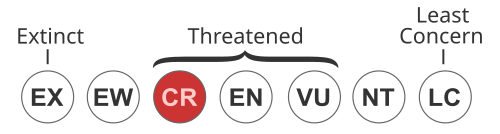
Hammerhead sharks are classified as threatened by the International Union for Conservation of Nature (IUCN):
Scalloped hammerhead: Critically Endangered
Great hammerhead: Endangered
Major threats include:
Overfishing: Both targeted for their fins in the shark fin trade and caught as bycatch.
Habitat loss: Coastal development and reef damage affect nursery grounds.
Pollution: Plastics, chemicals, and noise disrupt their natural behavior.
Conservation efforts and responsible shark diving, like those at Protea Banks, help protect these species and raise awareness about their importance in the ocean ecosystem.
Encounters with hammerheads are never guaranteed, which makes each sighting even more special. When a school appears in the distance, O come so close that can look into their eye or a large great hammerhead passes silently through the water, it becomes a moment divers never forget. These encounters are part of what makes Protea Banks one of the most exciting places in the world to experience shark diving in the wild.
Diving at Protea Banks gives you the chance to see scalloped and great hammerhead sharks alongside other apex predators, including ragged-tooth sharks and blacktip sharks. Whether you’re an experienced diver or a marine enthusiast, hammerhead shark dives here are unforgettable experiences, offering safe, guided encounters with these majestic predators.